

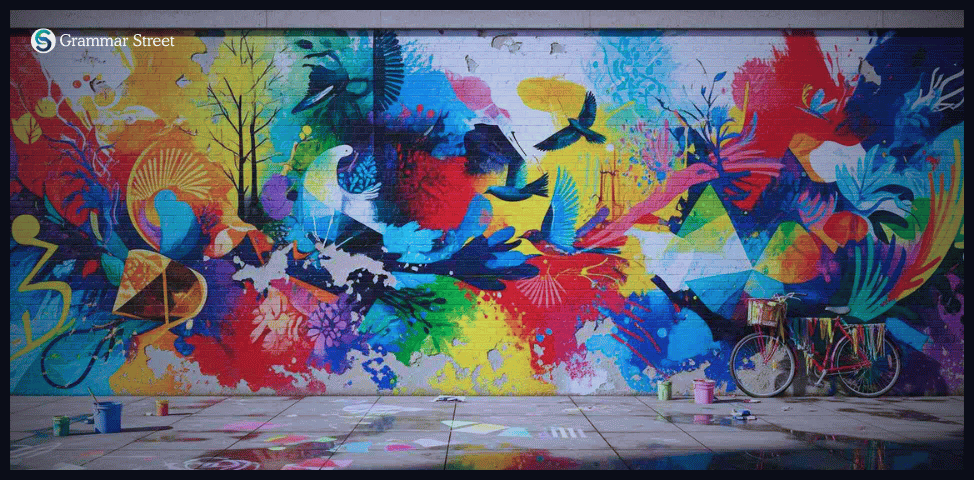
Ever wonder how to describe something that’s lively, eye-catching, and just plain exciting? Well, you’re in the right place! Today, we’re diving into the world of “Opposite of Drab,” exploring how to find words and expressions that bring color, energy, and life to your writing and speech. Whether you’re trying to jazz up your descriptions or simply want to add some sparkle to your vocabulary, this guide is your go-to resource!
What Does “Opposite of Drab” Really Mean?
Let’s start with the basics. The phrase “opposite of drab” points toward words and expressions that convey brightness, liveliness, and vibrancy. Think of it as the stark contrast between dull and dazzling.
Definition of “Drab” and Its Opposites
- Drab (adj.): Lacking brightness or interest; dull and monotonous.
- Opposite of Drab: Words and phrases that evoke excitement, colorfulness, and energy.
Here’s a quick table to help understand the two:
| Term | Definition | Examples |
|---|---|---|
| Drab | Dull, lacking brightness or excitement | Gray walls, boring routines |
| Opposite of Drab | Bright, lively, colorful, exciting | Vibrant colors, energetic scenes |
The Spectrum of “Opposite of Drab”
When searching for vivid descriptions, you can think in terms of personality traits, physical descriptions, moods, roles, and more. Let me take you through a list of 15 categories that are perfect opposites of drab.
| Category | Opposite of Drab — Descriptive Terms | Example Sentences |
|---|---|---|
| Personality Traits | Charismatic, lively, outgoing, enthusiastic, vibrant | She has a charismatic smile that lights up any room. |
| Physical Descriptions | Bright-eyed, colorful, radiant, dazzling, shimmering | His radiant blue eyes sparkled in the sunlight. |
| Mood | Excited, jubilant, energetic, spirited, euphoric | The crowd was jubilant after the victory. |
| Fashion & Style | Bold, eye-catching, flamboyant, stylish, trendy | She wore a flamboyant dress that turned heads. |
| Nature & Environment | Colorful, blooming, lush, lively, vivid | The garden was lush with blooming flowers. |
| Roles & Occupations | Dynamic, influential, inspiring, passionate | An inspiring leader who motivates her team daily. |
| Artistic Expression | Vibrant, bold, expressive, colorful, animated | His artwork is full of bold colors and dynamic strokes. |
| Food & Cuisine | Spicy, flavorful, colorful, gourmet, aromatic | The dish was spicy and full of vibrant flavors. |
| Events & Celebrations | Festive, lively, joyful, exuberant | The festival was a lively celebration of culture. |
| Music & Entertainment | Upbeat, energetic, lively, rhythmic | The concert was an energetic performance from start to finish. |
| Technology & Gadgets | Sleek, innovative, modern, high-tech | The new smartphone features a sleek, colorful display. |
| Personal Achievements | Successful, accomplished, talented, admirable | Her accomplished career is truly inspiring. |
| Travel & Adventures | Exciting, adventurous, thrilling, exotic | The trip was an adventurous journey into the unknown. |
| Emotional Atmospheres | Uplifting, inspiring, hopeful, delightful | The movie had an uplifting ending that left everyone optimistic. |
How to Use Opposites of Drab in Your Writing
Looking for ways to breathe life into your descriptions? Here are some practical steps:
1. Identify the Subject
Decide what you’re describing—person, place, thing, or emotion.
2. Choose Bright, Vibrant Words
Pick from the list above, or create your own expressive phrases.
3. Use Multiple Descriptors
Combine adjectives and adverbs for a richer description:
- “A vibrant, energetic crowd”
- “Her radiant smile lit up the room.”
4. Think of an Analogous Scene
Use visual imagery to evoke brightness and excitement.
5. Mix and Match
Combine different categories for variety and depth:
- “A lively, colorful festival filled with music, dance, and joy.”
Proper Usage: Multiple Descriptors & Forms
When using multiple words to describe the opposite of drab, ensure they follow a logical order—usually from intensity to specifics.
Example:
- Correct: “The vibrant, lively street was filled with colorful stalls and energetic vendors.”
- Incorrect: “The street was filled with colorful, energetic, vibrant stalls.”
Forms & Variations:
- Adjectives: Bright, cheerful, vivid, dazzling
- Adverbs: Brightly, vibrantly, colorfully
- Nouns: Spectrum, kaleidoscope, explosion of color, festivity
Examples:
- “Her dress was brightly colored and vibrantly patterned.”
- “The room was lively and full of cheerful energy.”
Practice Exercises
To hone your skills, try these practice activities:
1. Fill-in-the-blank:
The garden was filled with ____ flowers under a ____ sky.
(Possible answer: vibrant, bright)
2. Error correction:
Identify and correct the dull description:
“He wore a dull, boring shirt.”
(Corrected: He wore a vibrant, colorful shirt.)
3. Identification:
What word best describes a person who is outgoing and full of energy?
(Answer: Charismatic / Lively)
4. Sentence construction:
Make a sentence using both a physical description and personality trait that are opposites of drab.
(Example: Her radiant smile matched her lively personality.)
5. Category matching:
Match the category to its opposite of drab:
- Role: Influential → Colorful
- Emotion: Gloomy → Uplifting
- Fashion: Bland → Bold
Tips for Success with Bright Descriptions
- Use vivid, sensory words—think colors, sounds, and textures.
- Don’t overdo it—balance vibrant language with clarity.
- Practice expanding simple descriptions with colorful adjectives and adverbs.
- Read widely to see how authors craft lively imagery.
Common Mistakes & How to Avoid Them
| Mistake | Solution |
|---|---|
| Overusing adjectives | Limit to 2-3 for impact; prioritize precision. |
| Mixing too many descriptors | Keep descriptions coherent and easy to understand. |
| Using vague words like “nice” or “good” | Swap in specific, colorful words like “radiant” or “dynamic.” |
| Ignoring context | Match the intensity of description to the scene or subject. |
Variations and Synonyms
Looking for more ways to express “opposite of drab”? Here are some synonyms and variations:
- Vivid
- Luminous
- Exuberant
- Popping (informal)
- Brilliant
- Colorful
- Sparkling
- Dynamic
- Zesty
- Effervescent
Why It Matters: The Power of Bright Language
Using lively, vibrant language doesn’t just make writing more interesting—it Also evokes emotions, paints vivid pictures, and keeps your audience engaged. Whether you’re describing a person’s personality, a place, or a mood, bright descriptions elevate your storytelling.
Summary & Final Tips
So, there you have it! The opposite of drab isn’t just about throwing in bright words — it’s about thoughtfully choosing lively, meaningful descriptors that resonate. Remember, practice makes perfect. Use these categories and examples to spice up your vocab, avoid dull descriptions, and craft engaging narratives that stand out.
Final Action Point
Next time you’re stuck with a dull description, ask yourself: “How can I make this more colorful and lively?” Start with one vibrant word and build from there. Brighten your writing — your audience will thank you!
Want to Keep Improving?
Download a copy of this guide and challenge yourself to incorporate new, vivid words into your daily writing. Soon, you’ll see how colorfully your language can truly shine!
