

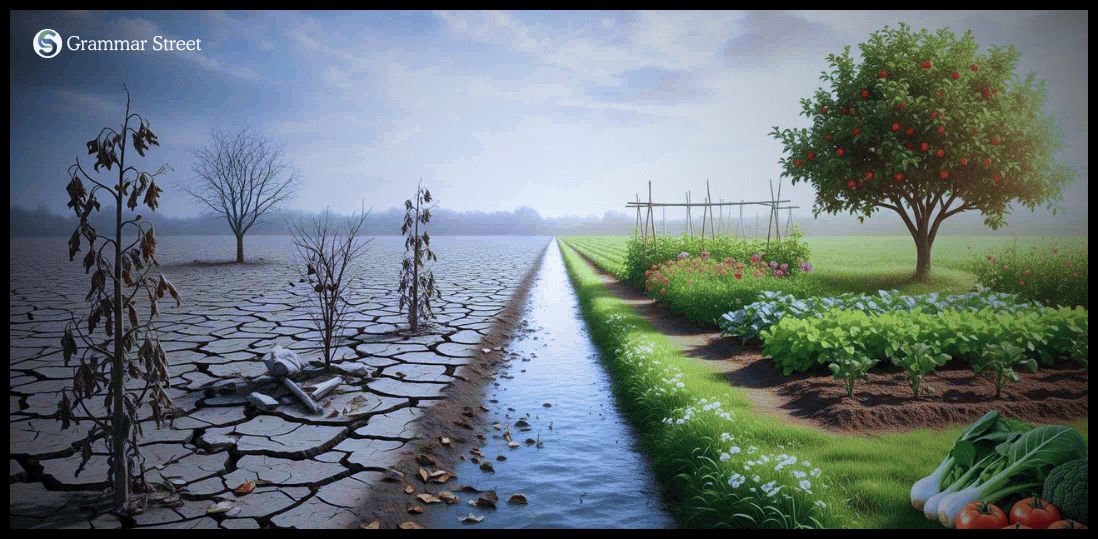
Hey there! Have you ever wondered what the opposite of pestilence really is? Pestilence, as you probably know, refers to deadly disease, plagues, or widespread calamity. But what about all the positive concepts that stand against it? Today, I’ll take you on a journey to explore the many shades of the opposite of pestilence, from health and prosperity to qualities like resilience and hope. Whether you're a student, a writer, or just someone curious about the nuances of language and health, this guide is packed with rich, detailed information to deepen your understanding.
Understanding the Opposite of Pestilence
The term “pestilence” conjures images of disease, contagion, and destruction. Its opposite, therefore, embodies health, vitality, and stability. But let’s get a bit more specific.
What Does Pestilence Mean?
Definition List:
- Pestilence:
A fatal, contagious disease that spreads rapidly and causes widespread death or suffering. - Origin:
Derived from Latin pestis, meaning "plague" or "fatal disease." - Connotations:
Disease, destruction, decay, chaos, suffering.
For a meaningful discussion, it helps to explore concepts and words that not just oppose pestilence but also promote positive change, health, and progress.
What Is the Opposite of Pestilence?
When we dig into language and concepts, the opposite of pestilence isn't just one word but a collection of related ideas and qualities that promote health, growth, and resilience.
Key Concepts and Their Definitions
| Term | Definition | Example Sentence |
|---|---|---|
| Health | A state of physical, mental, and social well-being. | Regular exercise boosts overall health. |
| Prosperity | Success, flourishing, especially economically or personally. | The city’s prosperity improved after the new policies. |
| Resilience | The capacity to recover quickly from difficulties. | Her resilience helped her bounce back after setbacks. |
| Sanitation | Conditions relating to cleanliness and hygiene. | Improved sanitation reduces disease spread. |
| Vitality | The state of being strong and full of energy. | The vibrant garden radiated vitality. |
| Immunity | The ability to resist disease or infection. | Vaccinations strengthen your immunity. |
| Well-being | The state of being comfortable, healthy, or happy. | Mental well-being is equally important as physical health. |
| Harmony | A pleasing arrangement of parts; peace and accord. | Living in harmony with nature promotes wellness. |
| Growth | Development over time, both physical and metaphorical. | Continuous learning fosters personal growth. |
| Balance | Stability amongst different elements or forces. | A balanced diet lays the foundation for good health. |
| Renewal | The process of becoming new or fresh again. | Spring symbolizes renewal and fresh beginnings. |
| Longevity | Long duration of life or existence. | Healthy living contributes to longevity. |
| Hygiene | Conditions or practices conducive to health and cleanliness. | Regular handwashing is crucial for hygiene. |
| Safety | The condition of being protected from harm or danger. | Workplace safety is a priority for all organizations. |
| Peace | A state of tranquility or quiet free from disturbance. | Inner peace is vital for mental health. |
Deep Dive: The Positive Traits and Concepts That Confront Pestilence
Let me walk you through some specific categories and how they act as the antithesis of pestilence. These are not just abstract ideas; they are practical and essential for a healthier society.
1. Personal Traits
- Resilience
- Optimism
- Patience
- Courage
- Compassion
2. Physical Descriptions
- Vibrant health
- Bright eyes
- Clear skin
- Steady posture
- Healthy weight
3. Roles in Society
- Healthcare workers
- Educators
- Environmentalists
- Nutritionists
- Public health officials
4. Environmental Factors
- Clean water
- Fresh air
- Green spaces
- Sanitary infrastructure
- Waste management systems
Using Opposites in Sentences: Examples and Variations
Here are some sentences that illustrate proper usage of the concepts discussed:
- Her resilience helped her recover quickly from illness, embodying the true opposite of pestilence.
- Regular sanitation and hygiene are vital for maintaining community health.
- The city’s prosperity and clean environment demonstrate a collective effort against pestilence.
- They focused on boosting immunity through diet and exercise to fight off illnesses.
- Living in harmony with nature promotes a balanced and healthy lifestyle.
Proper Order in Combining Multiple Concepts
Sometimes, you want to use multiple positive traits together. Here’s how to do that smoothly:
- Correct order: “Her resilience, vitality, and optimism helped her overcome life's obstacles.”
- Less effective order: “Her optimism, resilience, vitality helped her…” (less natural)
Variants and Forms
| Word/Concept | Examples | Usage Note |
|---|---|---|
| Resilient | She is resilient in times of crisis. | Adjective describing a person's trait. |
| Sanitation | Improving sanitation reduces disease spread. | Noun, often linked with health campaigns. |
| Healthy (adj) | Maintain a healthy diet for longevity. | Adjective, used before nouns. |
| Well-being | Mental well-being is equally important. | Noun, often paired with mental health. |
Practice Exercises
1. Fill-in-the-blank:
- Embodying _________, she quickly recovered from setbacks.
- Good _________ practices help prevent disease outbreaks.
- A focus on _________ leads to a more prosperous society.
2. Error correction:
- He felt a lot of resilience after the accident. (Correct as: He felt a lot of resilience—or he was very resilient.)
- Improving hygiene is unimportant for health. (Correct as: Improving hygiene is important for health.)
3. Identification:
- What word describes the ability to recover from difficulties? (Resilience)
- Which term relates to long life? (Longevity)
4. Sentence construction:
- Use “harmony,” “growth,” and “safety” to write a sentence about community health.
- Example answer: Community harmony, growth, and safety are essential for a disease-free society.
5. Category matching:
Match the term to its category:
- Hygiene — (Physical trait/Environment/Society)
- Immunity — (Personal trait/Body/Environment)
- Prosperity — (Economic/Societal/Physical)
- Resilience — (Personality trait/Physical trait/Society)
Tips for Success
- Focus on maintaining good hygiene and sanitation daily.
- Incorporate healthy habits like balanced diets and regular exercise.
- Cultivate resilience and optimism during tough times.
- Stay informed about environmental factors affecting health.
- Support community initiatives improving sanitation and safety.
Common Mistakes and How to Avoid Them
| Mistake | Correction | Explanation |
|---|---|---|
| Using “pestilence” to mean all diseases | Use “disease,” “illness,” or “infectious disease” | Pestilence is specific to deadly, widespread outbreaks. |
| Ignoring context when pairing opposites | Always match concepts logically, e.g., health with wellness | Proper pairing makes sentences clearer and more impactful. |
| Overusing complex jargon | Keep explanations simple, especially for beginner readers | Use friendly language to keep engagement high. |
Similar Variations and Related Terms
- Epidemic vs. Pandemic: Focused on spread; opposite of localized outbreaks.
- Recovery vs. Immunity: Recovery refers to getting better; immunity is resistance.
- Fertility vs. Barrenness: Opposing states in biological reproduction.
- Healthful vs. Harmful: Describes the impact of behaviors or substances.
- Clean vs. Dirty: Physical state related to hygiene.
Why Is Understanding This Important?
Knowing the opposite of pestilence isn’t just about vocabulary. It’s about understanding what contributes to health and societal well-being. This knowledge helps in making informed decisions—be it in personal health, public policy, or community development. Plus, it enriches your language, giving you words and ideas to inspire hope and progress.
Final Words
In conclusion, the opposite of pestilence includes a variety of concepts rooted in health, resilience, and prosperity. From personal traits like resilience to societal factors such as sanitation and safety, these ideas create a healthier, more vibrant world. Next time you think about pestilence, remember that there’s a universe of positive qualities ready to stand against it—your job is to nurture and promote them.
Stay healthy, stay resilient, and keep fighting the good fight against pestilence. Remember, your mindset and actions can make a difference!
Thanks for reading! If you're passionate about mastering the language of health and positivity, keep exploring and practicing. And if you want more in-depth guides, check back regularly for updates.
